Thinking Process
PHASE 1: VISUAL DECONSTRUCTION
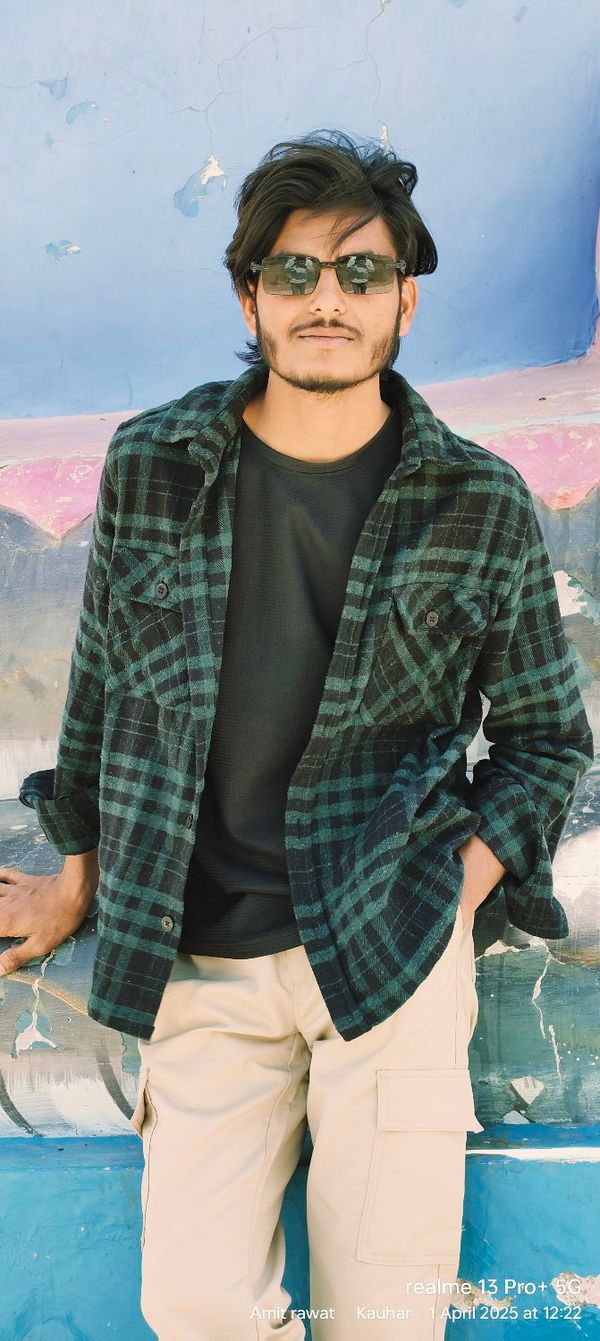
- **Fabric Physics:** The source garment is a heavy flannel or wool-blend "shacket" (shirt-jacket). It possesses a matte finish with high light absorption and low specularity. The simulation must account for a heavier GSM (grams per square meter) than the user's current t-shirt, meaning it will hold its structural shape more rigidly and drape with thicker, softer folds rather than clinging to the skin.
- **Key Features:** The distinct green and black buffalo check pattern must be preserved without distortion. Key elements include the dual breast pockets with flaps, the button placket, and the spread collar. The texture must retain the "brushed" fuzzy quality of flannel. If the black undershirt from the source is included, it acts as a secondary layer; otherwise, the flannel button-placket alignment is the primary vertical axis.
PHASE 2: FIT & DRAPE SIMULATION
- **Body Mapping:**
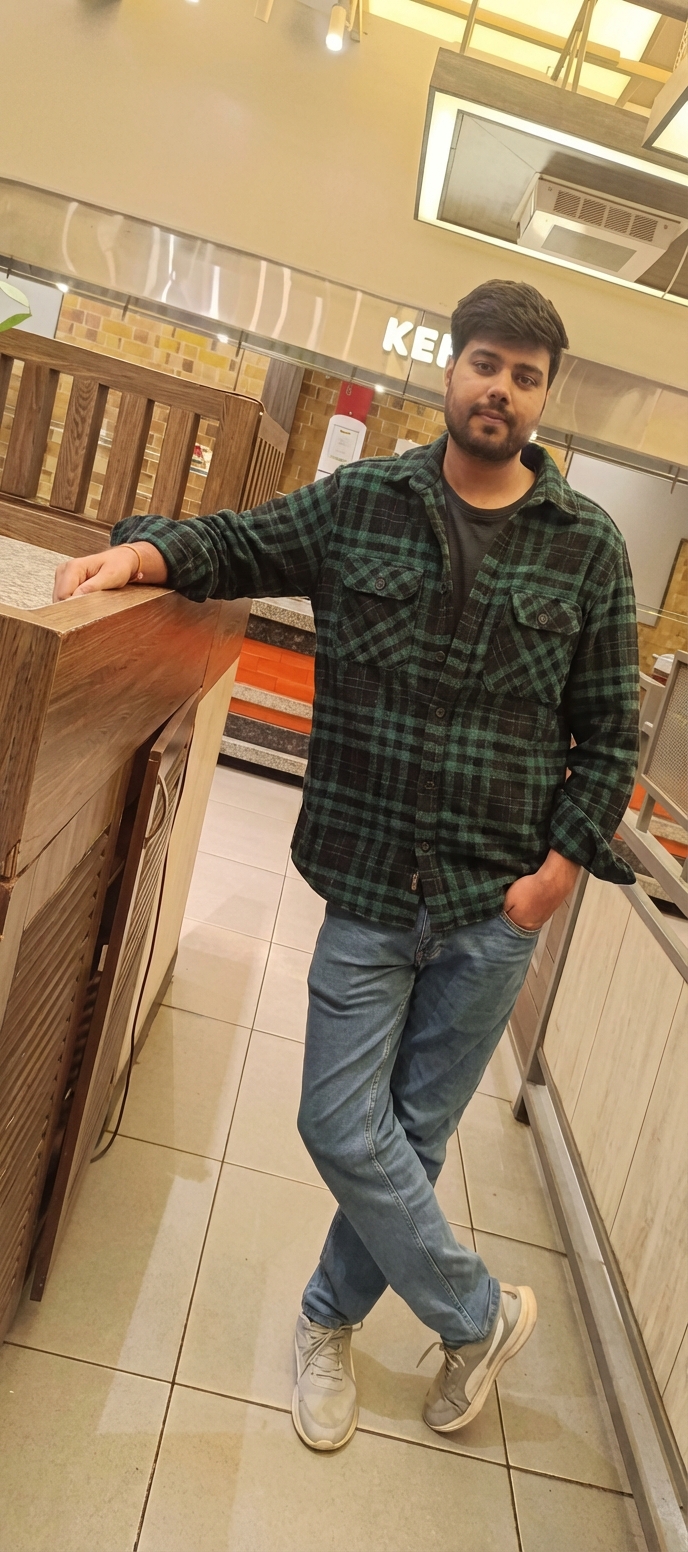
- **Shoulders & Tilt:** The user is leaning to his right; the garment must slide slightly off the left shoulder and bunch at the right shoulder/armpit area due to compression against the wooden structure.
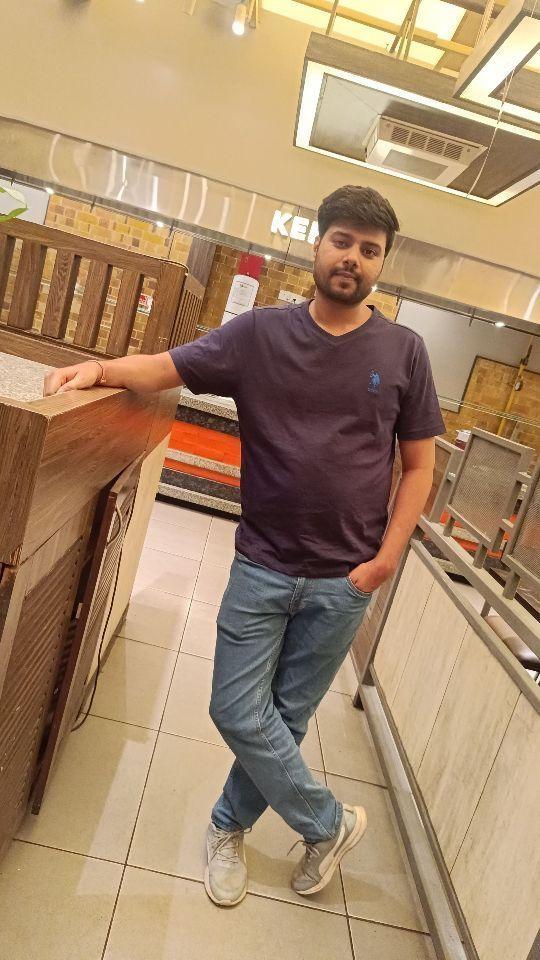
- **Torso:** The user's current tee is fitted, but the source flannel is loose/oversized. The generated mesh must expand slightly off the user's torso to represent the "shacket" volume. The hemline should hang vertically due to gravity, moving away from the body on the left side (viewer's right) as the user leans back.
- **Sleeves:** The right sleeve must wrinkle significantly at the elbow and forearm where the arm rests on the counter.
- **Occlusion Handling:**
- **Left Hand (Pocket):** The user's left hand is in his pocket. The hem of the flannel must be simulated to bunch up above the wrist or drape partially over the forearm, strictly respecting the depth layer of the jeans pocket. The hand/wrist entry point is a critical occlusion boundary.
- **Right Hand:** The right hand resting on the counter must be layered *over* the new sleeve cuff.
- **Neck/Beard:** The collar must sit naturally around the neck, sitting *behind* the user's beard.
PHASE 3: ENVIRONMENT & LIGHTING
- **Light Match:** The user environment features warm, overhead tungsten lighting (yellow/orange cast) with diffuse ambient fill. This is a stark contrast to the source image's cool, outdoor daylight. The blue/cool tones must be stripped from the source flannel, and a warm color grading applied to blend with the mall setting.
- **Color Calibration:** The black checks in the flannel should not be crushed to absolute black; they must be lifted slightly to match the ambient lighting levels of the user's jeans. Shadows cast by the new collar and folds must follow the overhead light source, casting soft shadows downward onto the chest.
PHASE 4: IDENTITY PROTECTION
- **Facial Lock:** Absolute freeze on the facial region from the chin up, specifically preserving the beard line and the neck connection point. The user's hair and facial structure remain untouched.
- **Body Integrity:** Strictly forbidden to apply "fashion figure" slimming. The user's midsection and shoulder width must remain true to the User Image to ensure the VTO looks realistic for his body type. The lower body (jeans, sneakers, and crossed-leg stance) must remain 100% original pixels.