Thinking Process
PHASE 1: VISUAL DECONSTRUCTION
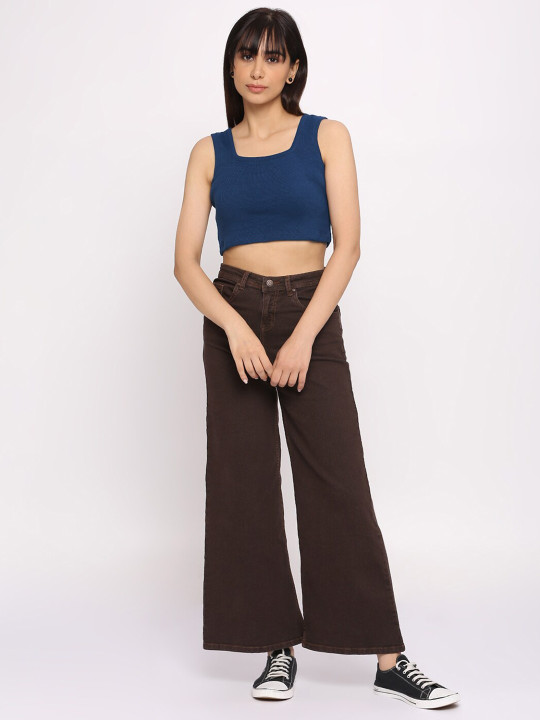
- **Fabric Physics:** The source garment is a ribbed knit jersey material. It possesses high elasticity and tensile strength, meaning it should conform tightly to the body topography rather than hanging loosely. It has a matte finish with low specular highlights; light should diffuse across the ribbing texture rather than reflecting sharply.
- **Key Features:** The vertical ribbing texture is critical for 3D depth perception and must warp around the bust curvature. The specific square neckline and the thick shoulder straps must be preserved. The hemline is cropped and straight, reinforced with stitching that creates a slightly thicker edge.
PHASE 2: FIT & DRAPE SIMULATION
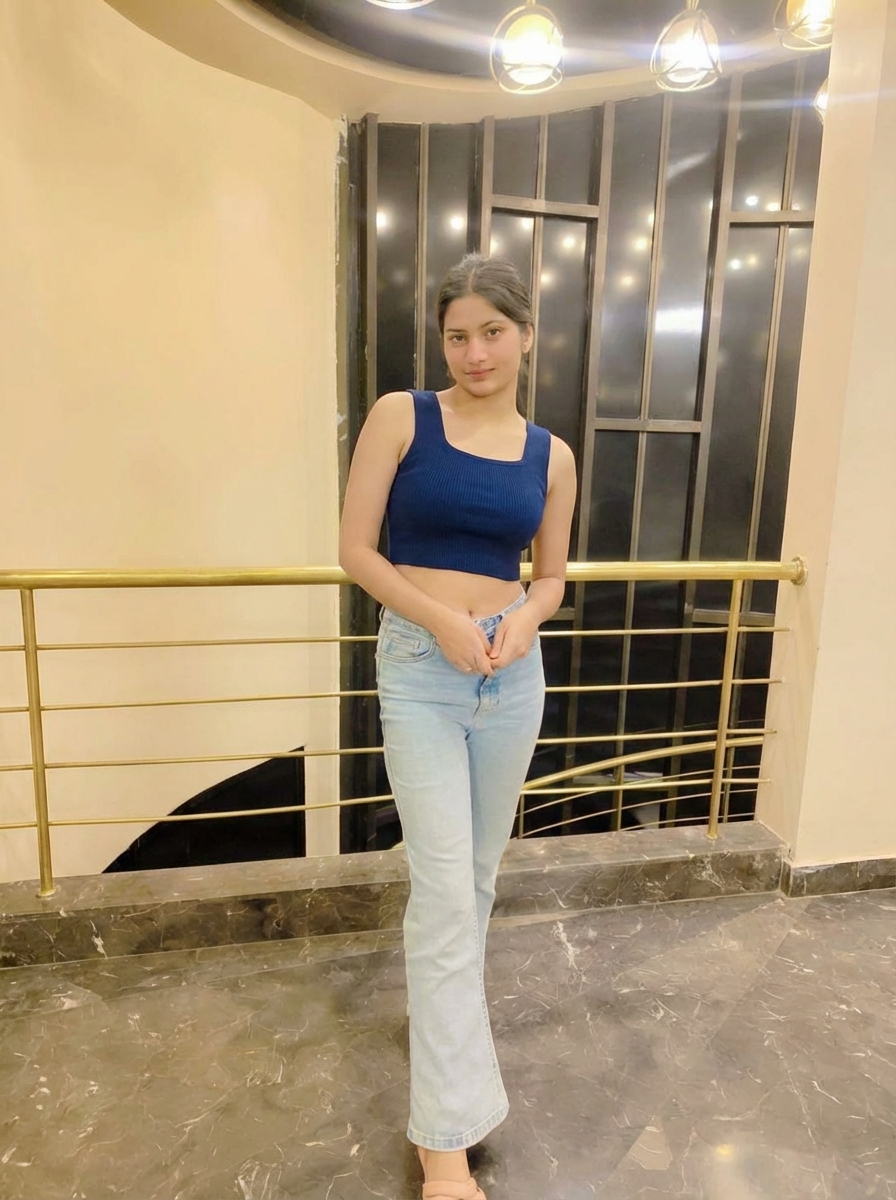
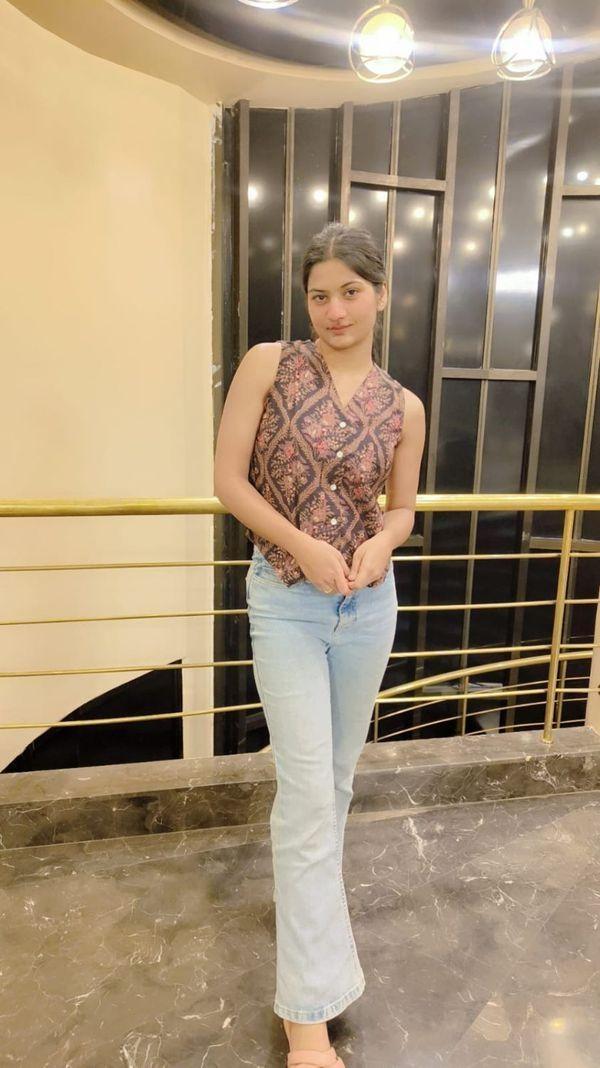
- **Body Mapping:** Due to the garment's elasticity, the fit must apply "negative ease," appearing stretched slightly across the bust and relaxed at the waist. Unlike the current loose vest, the new top will expose the user's midriff. The shoulder straps must align with the user's trapezius muscles without digging in. The fabric must not bunch at the waist; it should end cleanly above the navel line, following the torso's cylindrical shape.
- **Occlusion Handling:** The user's hands are clasped at the lower waist. While the cropped nature of the new top puts the hemline likely *above* the hands, any generated skin or fabric falling near the wrists must be layered *behind* the hands. The user's hair is tied back, minimizing upper-body occlusion, but loose strands near the neck/ears must be segmented and layered *over* the new shoulder straps.
PHASE 3: ENVIRONMENT & LIGHTING
- **Light Match:** The target environment features warm, overhead artificial lighting (multiple chandeliers), casting soft shadows downwards. The deep navy of the source cloth must be color-graded to absorb this warm ambient yellow light, likely shifting the hue slightly towards a warmer midnight blue. Shadows must be generated beneath the bust and under the new hemline onto the skin.
- **Color Calibration:** The source image uses high-key studio lighting (neutral/cool). The target image has a lower dynamic range with warm tones. The garment's brightness must be reduced, and contrast softened to match the "lobby/indoor" atmosphere. The highlight rollout on the ribbing should be warm (gold/yellow tint) rather than white.
PHASE 4: IDENTITY PROTECTION
- **Facial Lock:** The user's entire head structure, encompassing the jawline, ears, facial features, and the specific volume of the tied-back hair, is frozen. No pixel modification is permitted above the neck crease.
- **Body Integrity:** Strict volumetric preservation is required. The user's shoulder width, arm thickness, and waist circumference must remain identical to the original image. As the new garment reveals the midriff (currently covered), the generative infill for the skin must match the user's skin tone and grain exactly, without artificially slimming the waist or adding abdominal muscle definition not present in the source data.