Thinking Process
PHASE 1: VISUAL DECONSTRUCTION
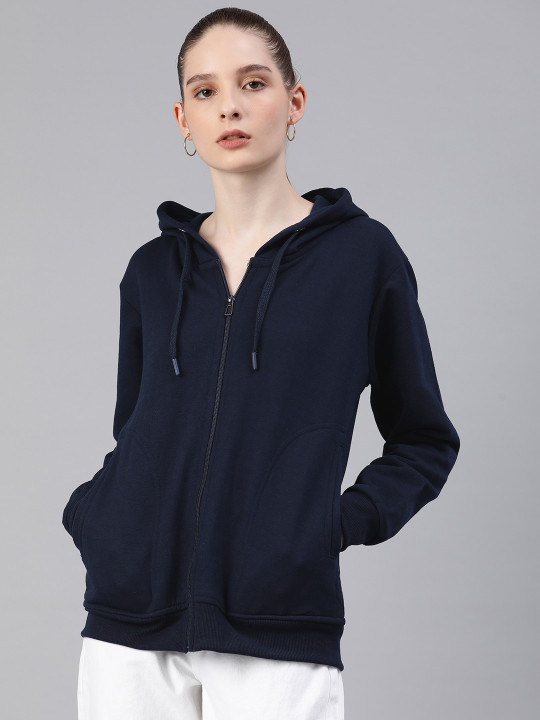
- **Fabric Physics:** The source garment is a heavyweight jersey cotton or cotton-blend fleece (standard hoodie material). It possesses high structural rigidity compared to the user's current thin t-shirt. The surface is matte with low specular reflection; it should absorb light rather than shine. The fabric simulates weight and thickness, meaning folds should be soft and voluminous, not sharp or creased like paper.
- **Key Features:** The silver central zipper, dual drawstrings with distinct aglets, and the hood structure resting around the neck are critical anchors. The ribbed knit texture at the cuffs and bottom hem, along with the "kangaroo" split pockets, must be preserved. The deep navy blue hue must maintain its saturation without looking synthetic.
PHASE 2: FIT & DRAPE SIMULATION
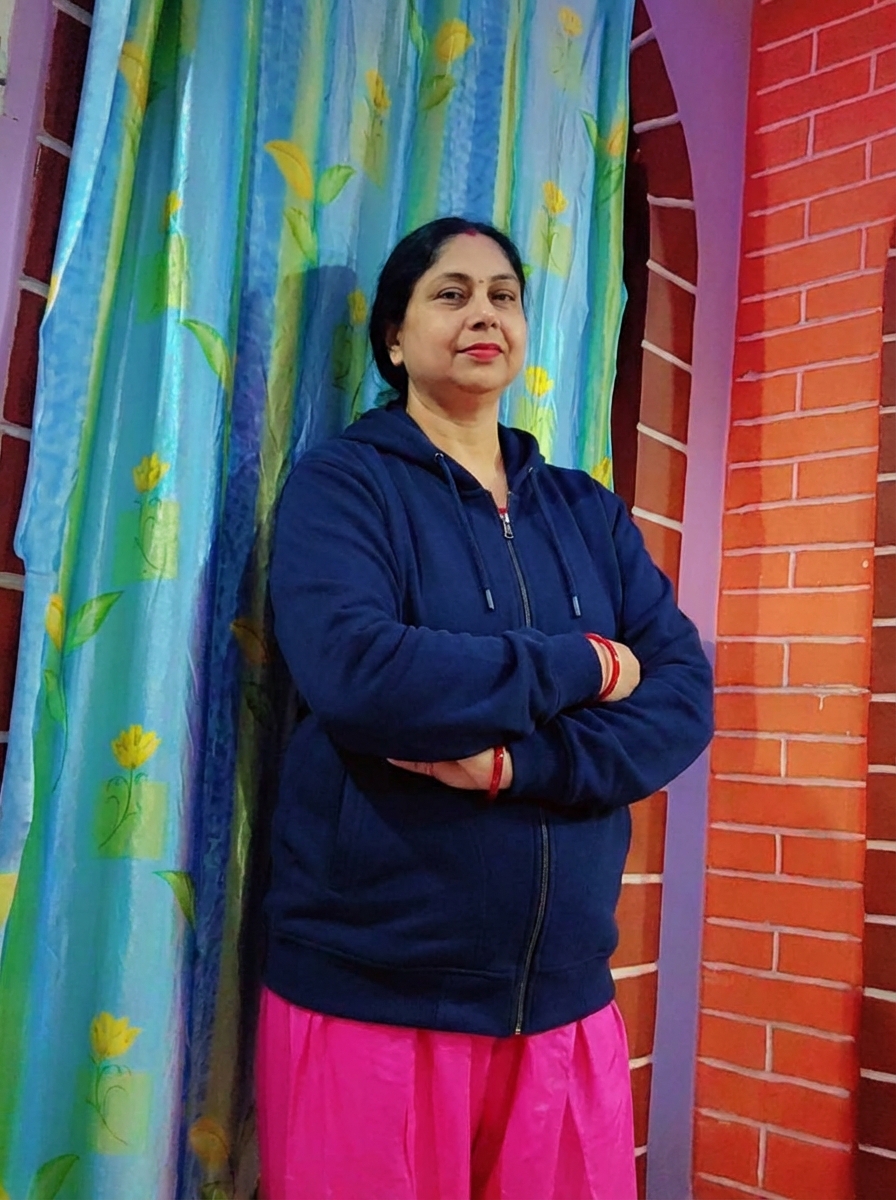
- **Body Mapping:** Due to the user's crossed-arm pose, the hoodie must exhibit significant tensile deformation. The sleeves will bunch heavily at the inner elbows (anticubital fossa) and stretch across the outer elbows. The front zipper line will not hang straight; it must contour over the crossed forearms, creating horizontal drag lines across the chest and midsection. The hood needs to be simulated as resting naturally on the trapezius/back, not floating.
- **Occlusion Handling:** The user's hands and wrists are clasped over the lower torso. These are high-priority occlusion zones. The hoodie fabric must be generated *behind* the hands/fingers but *over* the underlying torso. The ribbed cuffs of the hoodie should appear to end just before the wrists or interact realistically with the forearm, ensuring the skin of the hands remains the top layer.
PHASE 3: ENVIRONMENT & LIGHTING
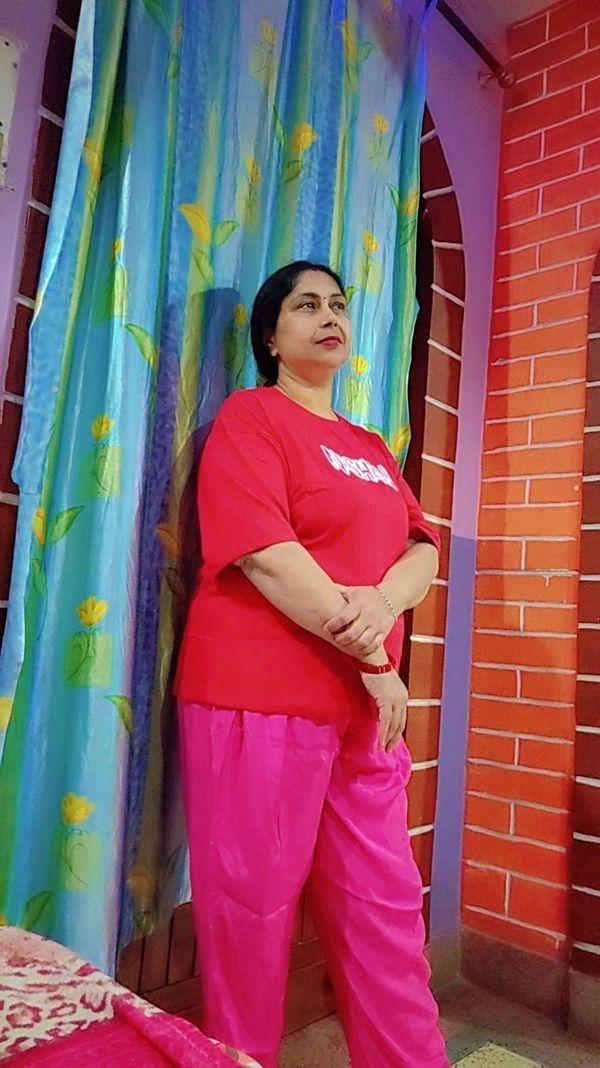
- **Light Match:** The user's environment has diffuse, slightly cool indoor lighting coming from the left (curtain side), contrasting with warmer tones from the right (brick wall). The navy hoodie must render with soft, ambient occlusion shadows, particularly deep within the folds created by the crossed arms and under the hood area. It should not retain the flat, bright studio lighting of the source image.
- **Color Calibration:** The navy blue requires exposure adjustment to match the indoor range. Subtle color bleeding is necessary: slight cool/cyan reflections on the left side of the garment (from the curtain) and very faint warm/reddish bounce light on the right side (from the brick wall) to integrate the object into the scene space.
PHASE 4: IDENTITY PROTECTION
- **Facial Lock:** The user's entire head, including hair, hairline, ears, neck, and jawline, must be frozen and masked pixel-perfectly. The facial expression and gaze direction remain untouched.
- **Body Integrity:** STRICTLY PROHIBITED: Slimming, warping, or altering the user's underlying body mass index (BMI). The simulation must respect the user's natural silhouette. Because the hoodie is thicker than the current t-shirt, the final render should naturally add slight bulk to the upper body, realistically reflecting the garment's thickness.