Thinking Process
PHASE 1: VISUAL DECONSTRUCTION
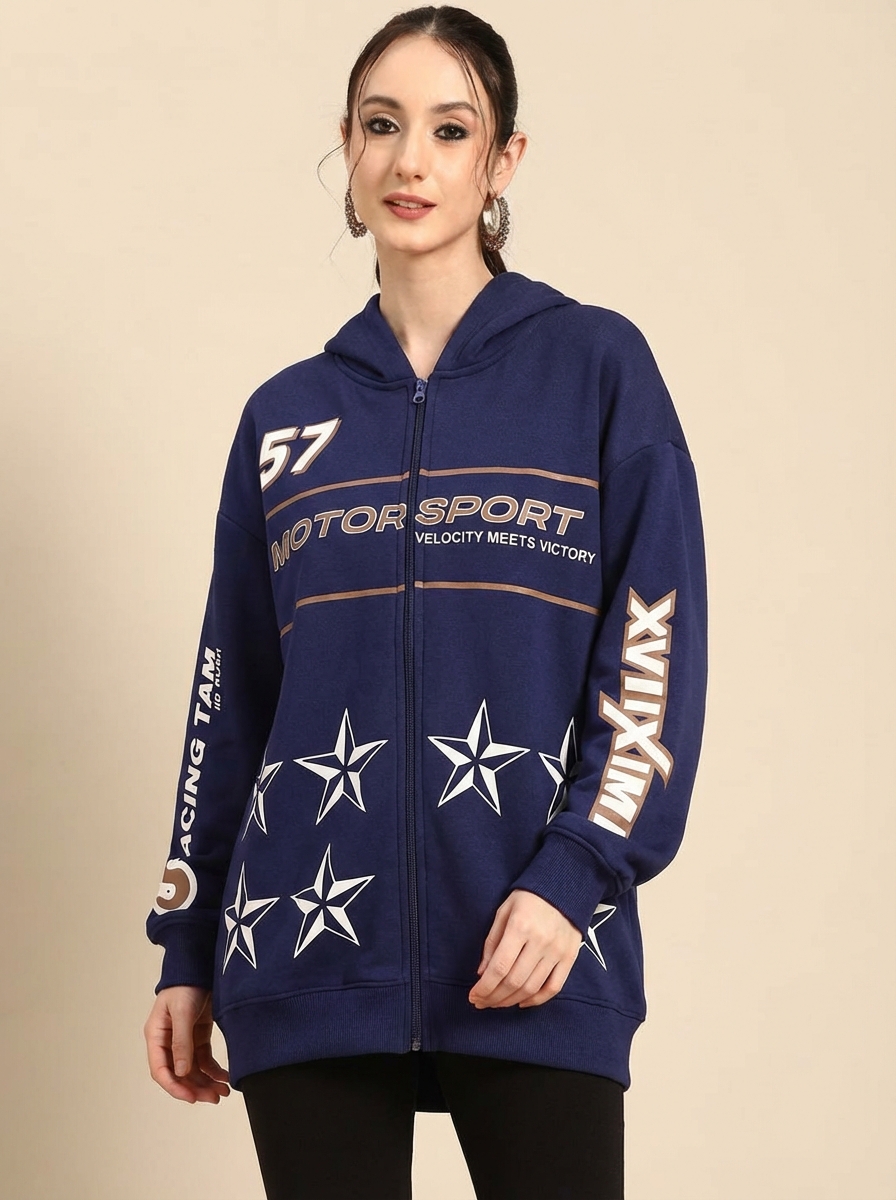
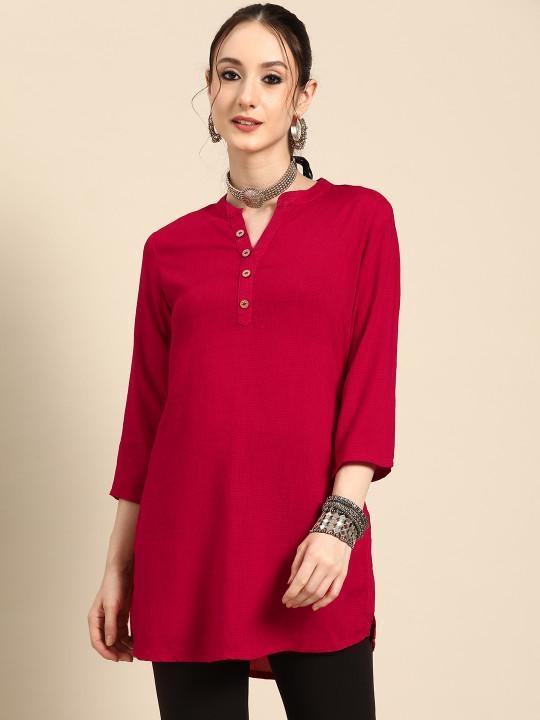
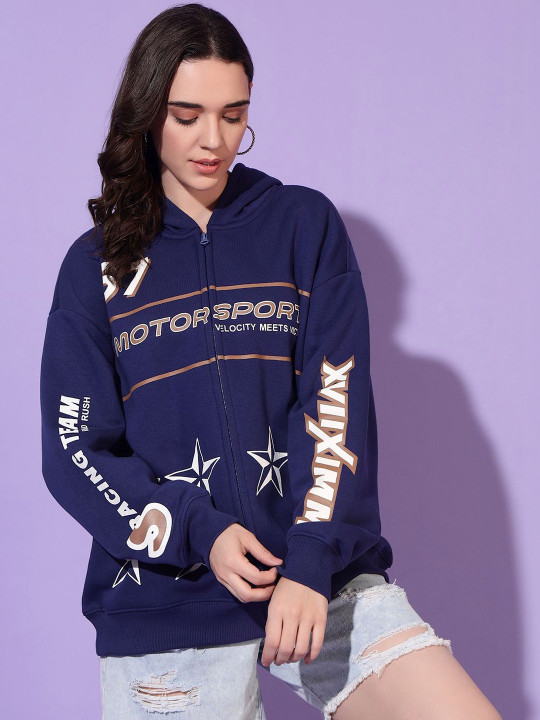
- **Fabric Physics:** The source garment is a heavyweight cotton/polyester fleece blend. Unlike the user's current lightweight rayon kurta, this material has high structural integrity, low drape velocity, and a matte finish. Light should diffuse across the surface with minimal specular highlights, emphasizing the "puffy" texture of the fleece lining.
- **Key Features:**
- **Graphics:** The "MOTORSPORT" text across the chest, "RACING TEAM" text on the right sleeve, and "XVII..." graphic on the left sleeve must undergo perspective warping to match the user's volumetric depth.
- **Construction:** The central zipper, the hood bulk around the neck, the dropped shoulder seams, and the ribbed elastic cuffs at the wrists and hemline are non-negotiable structural elements.
PHASE 2: FIT & DRAPE SIMULATION
- **Body Mapping:**
- **Silhouette Change:** The target user is wearing a fitted silhouette. The simulation must transition to an "oversized/relaxed" fit. The mesh must expand outward from the torso and arms to represent the baggy nature of the hoodie, ensuring the shoulder seam sits lower on the user's deltoids (drop-shoulder effect).
- **Gravity & Tension:** The fabric should hang vertically with heavier weight. Bunching should occur above the ribbed hem at the hips and at the elbows due to the sleeve length. The fabric must not cling to the waist.
- **Occlusion Handling:**
- **Necklace:** The user's choker is currently visible. Due to the high collar and hood of the source hoodie, the necklace will likely be obscured. If the simulation leaves the neck slightly open, the necklace must be masked to prevent it from clipping *through* the hoodie fabric.
- **Bracelet:** The user's large silver cuff on the left wrist represents a collision object. The hoodie sleeve is long; the simulation must determine if the cuff pushes the sleeve up (creating fold tension) or if the sleeve covers the bracelet entirely.
- **Hands:** The user's hands must be segmented and layered *over* the garment cuffs.
PHASE 3: ENVIRONMENT & LIGHTING
- **Light Match:** The user is in a soft, warm-toned studio environment with diffuse lighting coming primarily from the front-left. The source hoodie (currently in cool/purple light) must be relit to accept this warmer ambient temperature. Shadows must be cast softly to the user's right side and under the bust/arm folds.
- **Color Calibration:** The navy blue of the hoodie must be color-graded to remove the purple cast from the source background. The white and tan graphics on the hoodie must be white-balanced to match the warmth of the user's skin tone and background.
PHASE 4: IDENTITY PROTECTION
- **Facial Lock:** The user's entire head (hairline to chin), neck area above the clavicle, and ears must remain pixel-perfectly frozen. The loose strands of hair framing the face must be segmented and composited *over* the new hoodie collar.
- **Body Integrity:** Strict prohibition on body reshaping. While the *clothing* silhouette expands (baggy fit), the underlying skeletal structure and the width of the hips/legs (black pants) must remain unchanged. Do not slim the user's face or alter the visible portions of the hands.